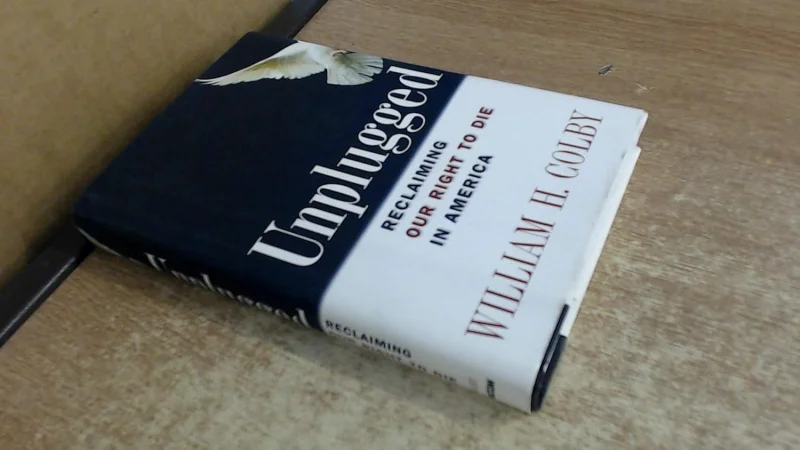
Decisions about the end of life now involve courts, hospitals and families at the same moment, and William H. Colby writes about that tangle from close experience as an attorney in landmark cases.
The book follows how American law and medical practice developed around patient autonomy, life-sustaining treatment and the authority to decide, using real cases to show what was at stake for the people involved. Colby lays out competing positions rather than arguing a single one, giving space to patients, families, clinicians and lawmakers, and he explains legal and medical terms as they arise. Anyone facing these questions personally should speak with a qualified doctor and a lawyer, since the book offers background and perspective, not advice for an individual case.
Points worth noting:
• Written by an attorney involved in well-known end-of-life litigation
• Real cases used to show how the law developed over time
• Several viewpoints presented side by side rather than one position
• Plain explanations of legal and medical terms for general readers
Of interest to students of law, medicine and ethics and to general readers following healthcare debates, from Boipoka.
 নতুন-1% ছাড়