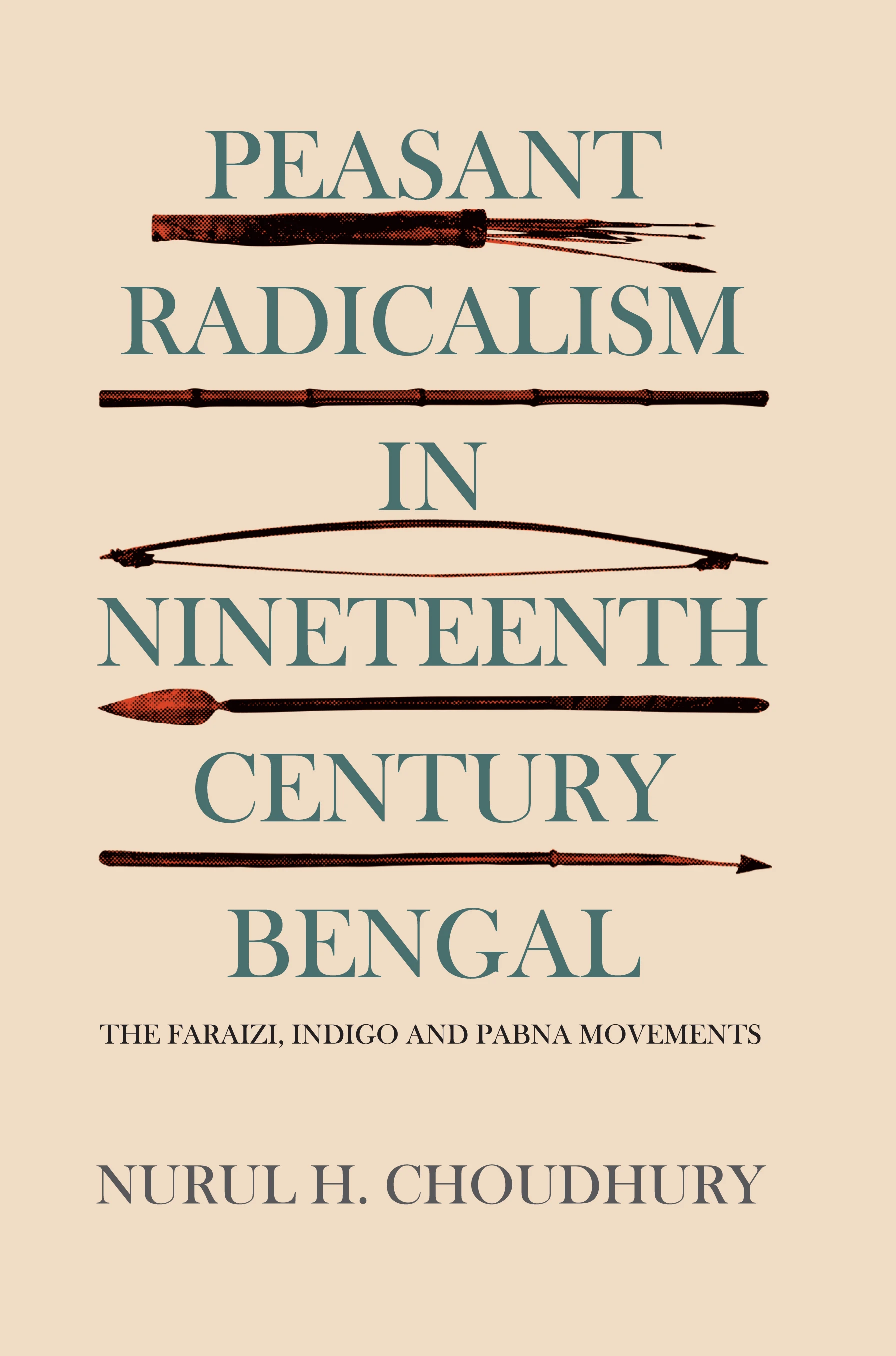
Why did the peasants of colonial Bengal rise up again and again during the nineteenth century? In Peasant Radicalism in Nineteenth Century Bengal, Nurul H. Choudhury traces that unrest back to British agrarian policy, which stripped away the old guarantees of economic security and put the bare survival of rural households at risk.
The study concentrates on three of the most significant movements of the period. It shows how Faraizi leaders drew on Islamic ideals to rally Muslim peasants against zamindars and indigo planters; how planter coercion and worsening conditions fuelled the Indigo revolt without any appeal to religion or ethnicity; and how in Pabna, Hindu tenants organised against Hindu landlords over rent increases. Taken together, these episodes point to early, non-communal forms of peasant organisation. The role of the jotedars also receives close attention.
This 240-page hardcover is valuable reading for students and researchers of Bengal's agrarian and colonial history, and for anyone curious about the social roots of protest in South Asia.
 নতুন-27% ছাড়