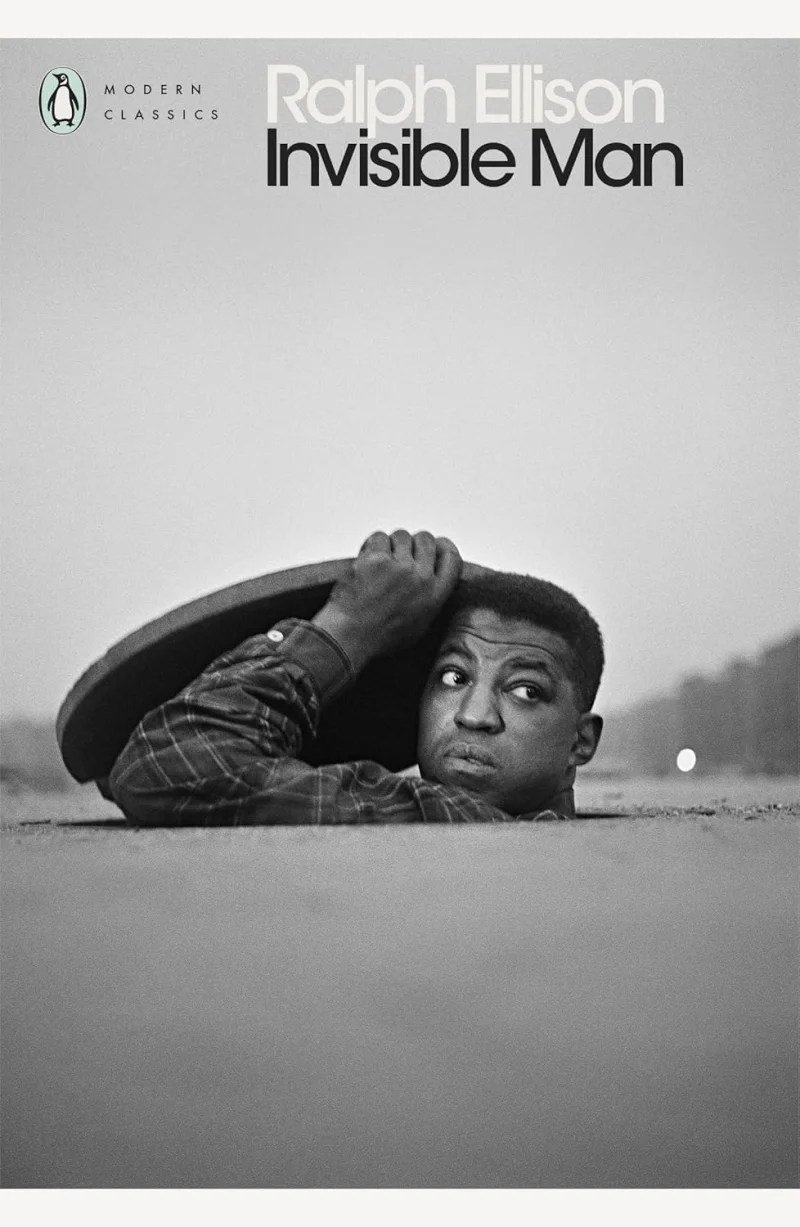
An unnamed narrator tells his own story from a cellar lit by stolen electricity, and Ralph Ellison's Invisible Man works backwards from there through the years that drove him underground.
The novel carries its narrator from a southern college through factory work and political organising in Harlem, and each stage tests what he is permitted to be in other people's eyes. Ellison writes in a voice that shifts between speech, sermon and jazz-shaped improvisation, and the book has stayed central to twentieth-century American literature for both its style and its argument about identity.
Worth noting:
• A landmark of twentieth-century American fiction, complete and unabridged
• Settings that move from the segregated South to Harlem
• Prose drawing on oratory, folklore and musical rhythm
• Standard reading for courses in American literature and race studies
Well matched to literature students, serious fiction readers and library builders, available at Boipoka.
 নতুন-1% ছাড়